
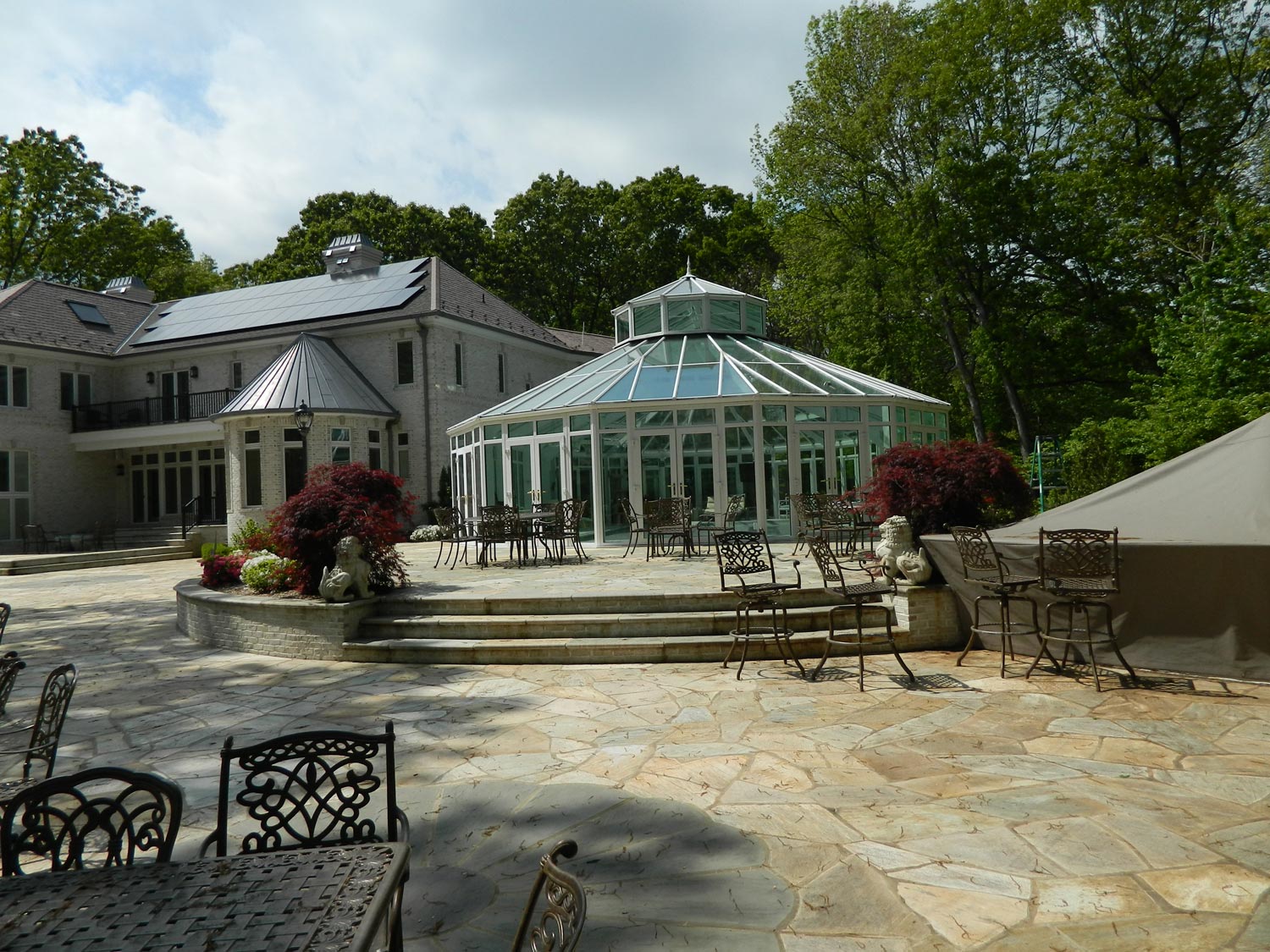
For hotels, resorts, wedding venues, private clubs, and estates
Glass Structures That Turn Any Venue Into a Destination.
We design, build, and install the bespoke conservatories, orangeries, and pavilions that become the most photographed, most booked, and most profitable spaces on the property.
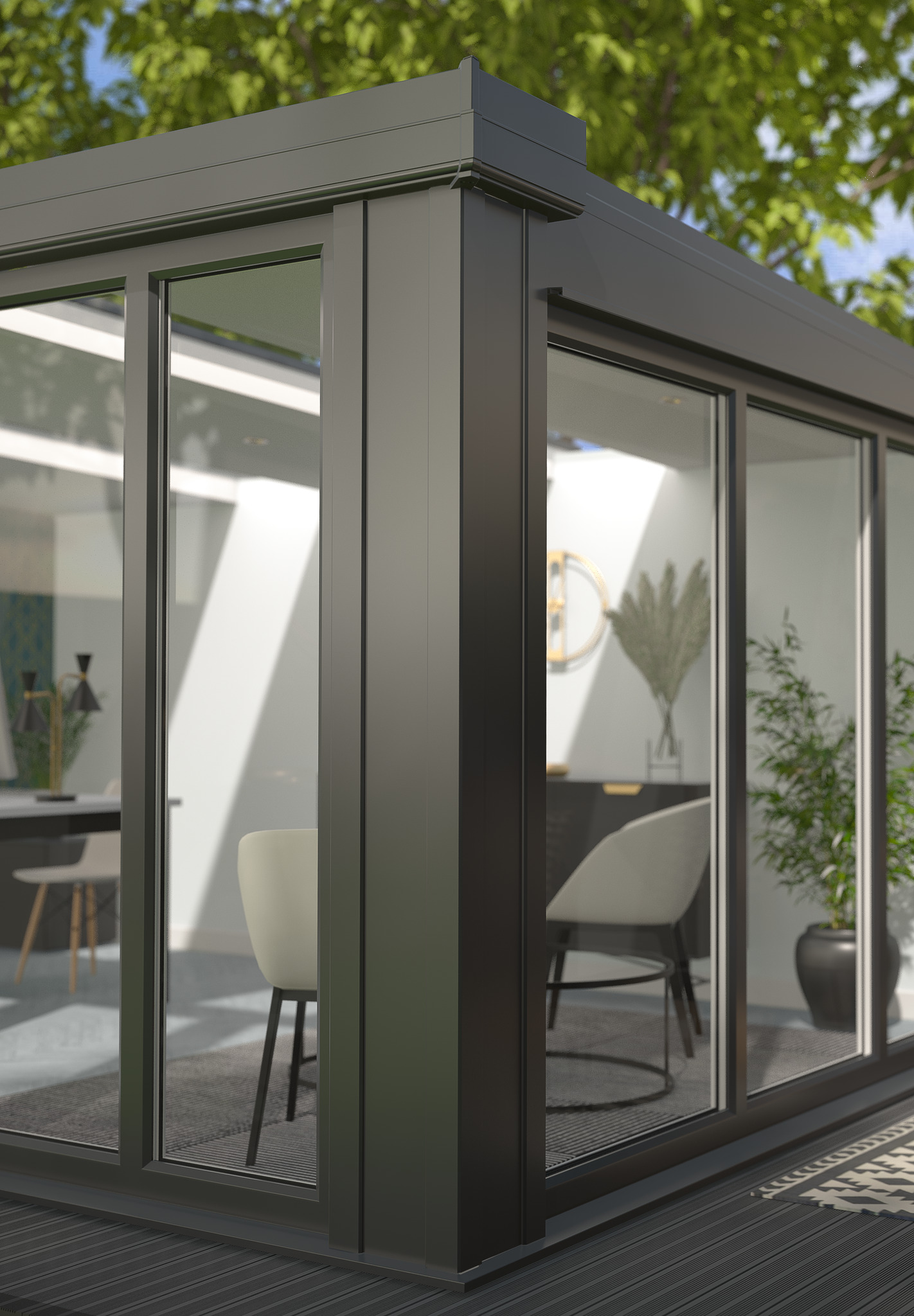
Why Glass, Why Now

A glass structure doesn’t just expand square footage — it converts seasonal dead zones into year-round revenue engines. Terraces that closed from November to April become winter dining rooms. Gardens that hosted six weddings a summer host forty. Every one of those spaces comes with a view guests will photograph, share, and return for.
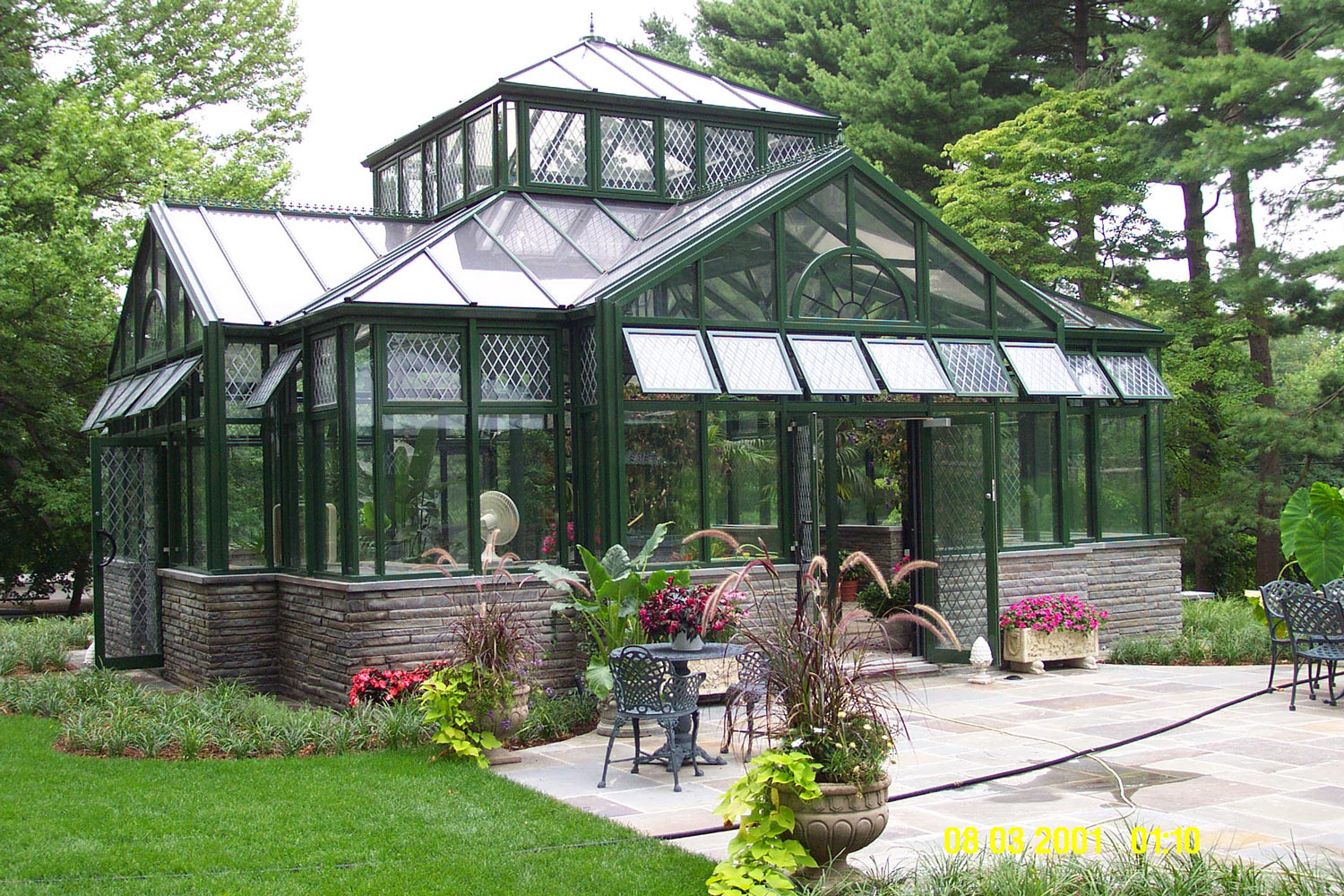
Hotels & Resorts
From rooftop bar enclosures that extend the season by six months to glass atriums that anchor a brand’s entire identity, Blue Diamond partners with hotel owners, asset managers, and architects to design spaces that photograph as well as they perform.
What we build: Rooftop lounge and bar enclosures (retractable or fixed) · Winter gardens and four-season dining rooms · Lobby atriums and conservatory entrances · Poolside and spa glass enclosures · Ballroom pavilions and event orangeries.
The value we add: Reclaim 4–6 months of weather-lost trading days in seasonal markets · Signature architectural features drive luxury rate premiums · Glass-forward spaces outperform standard F&B venues on user-generated content · A single orangerie or pavilion can unlock 30–60 incremental private events per year.
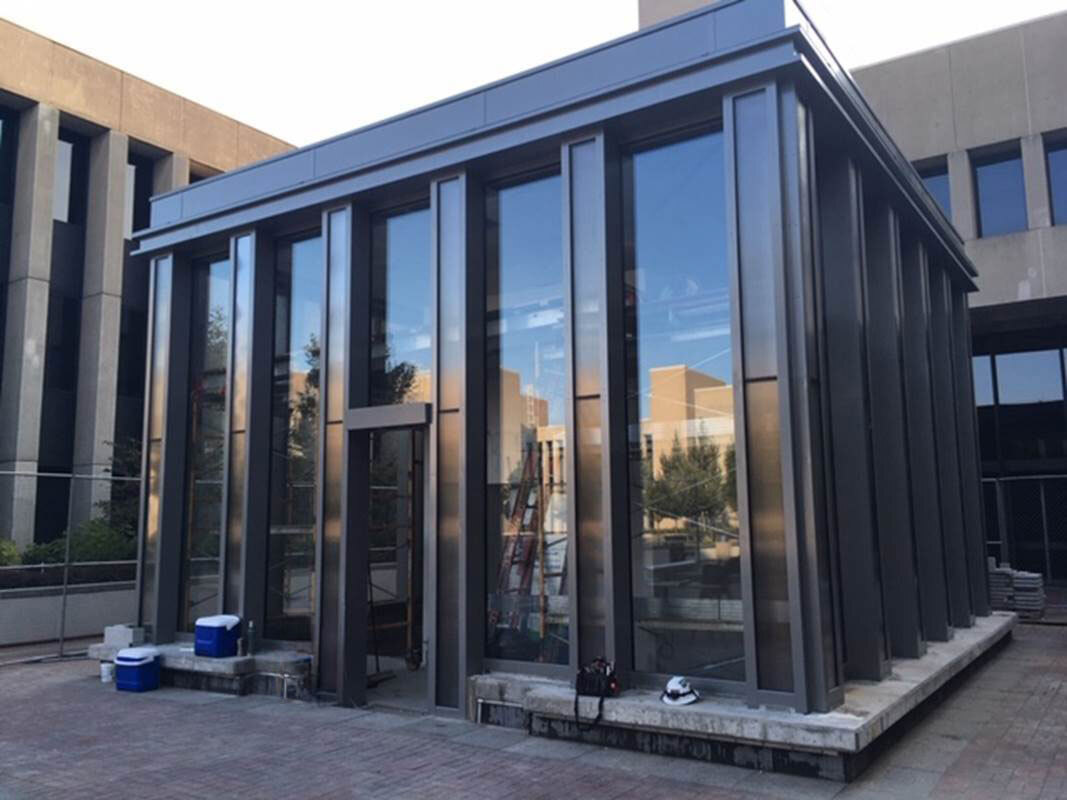
Wedding & Event Venues
“Greenhouse wedding” and “glasshouse venue” are among the fastest-growing wedding-venue search categories. The modern couple wants a space that feels like an estate garden by day and a candlelit dinner party by night — without a tent, without weather risk, without a ceiling that looks like every other banquet hall.
What we build: Ceremony and reception conservatories (80–400 guests) · Glass pavilions and orangeries for garden estates · Rehearsal-dinner and bridal-suite glass rooms · Retractable-wall structures for indoor/outdoor ceremonies · Portrait and photography glasshouses.
Why it pays back: Glasshouse venues command a 25–40% per-event premium · Zero weather cancellations · Higher booking velocity, often booked 12–18 months out · One structure serves weddings, galas, bridal showers, proposal dinners, and holiday parties.
Country Clubs & Private Estates
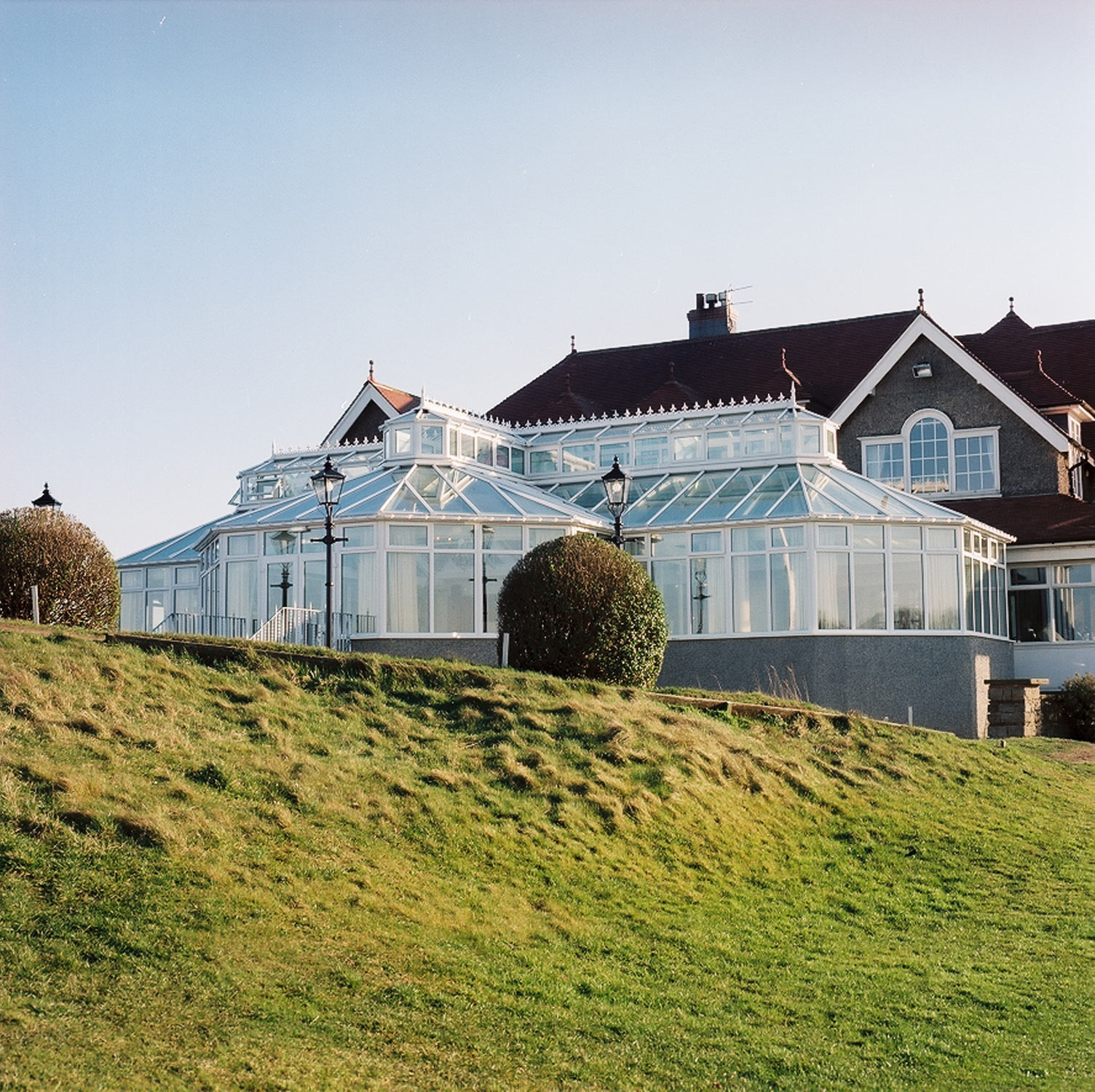
Members-only clubs and private estates are increasingly hosting paid non-member events — weddings, galas, corporate retreats, fundraisers — to offset operating costs and expand their footprint. A glass pavilion or orangerie is often the single highest-leverage capital investment a club can make: it serves members on weekdays, generates six-figure event revenue on weekends, and raises the entire property’s prestige.
Use cases: Golf-course overlooks and 19th-hole lounges · Tennis, racquet, and equestrian pavilions · Estate garden conservatories for family events and philanthropy · Historic-property additions that respect heritage and planning restrictions.
Hospitality Case Studies
Sorry, no posts could be found

Frequently Asked Questions

How long does a typical hospitality project take?
Design and planning usually run 8–16 weeks; fabrication 10–20 weeks; installation 4–12 weeks depending on scale and site complexity. We work to your opening or event-season deadline.
Do you work with our architect and general contractor?
Can you work with historic or landmarked properties?
What budget range should we expect?
Let's design the space your guests will talk about.